


About the Event
Hack for Social Impact aims to bridge the gap between organizations solving hard problems in an increasingly complicated world and tech talent eager to do meaningful work and make a lasting impact.
In 2026, we partnered with Women in Tech (WIT) Regatta to bring Hack for Social Impact to Seattle for the first time, following two successful years of hosting the event in the Bay Area. This expansion reflected our growing community of technologists committed to applying their skills toward meaningful social challenges.
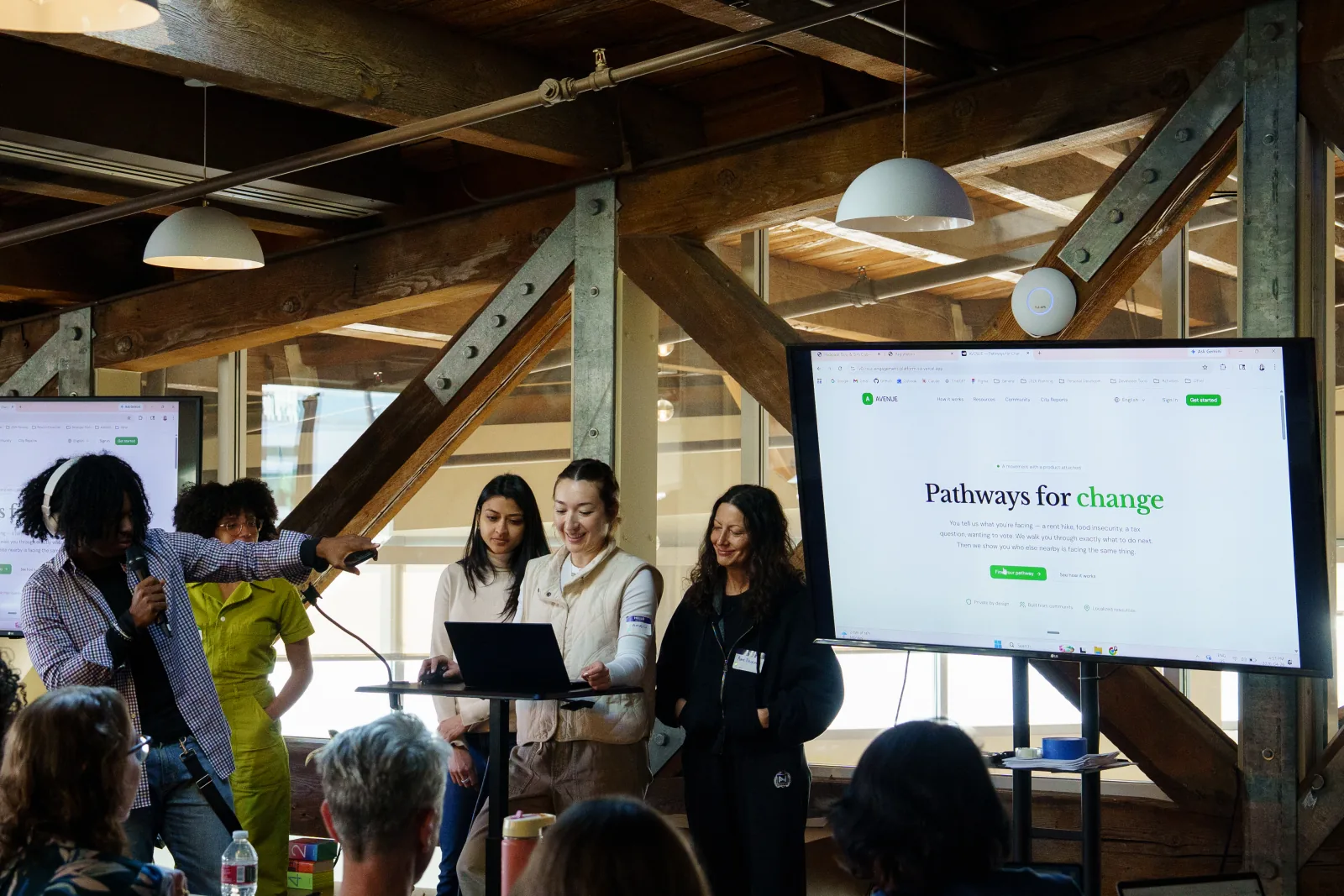
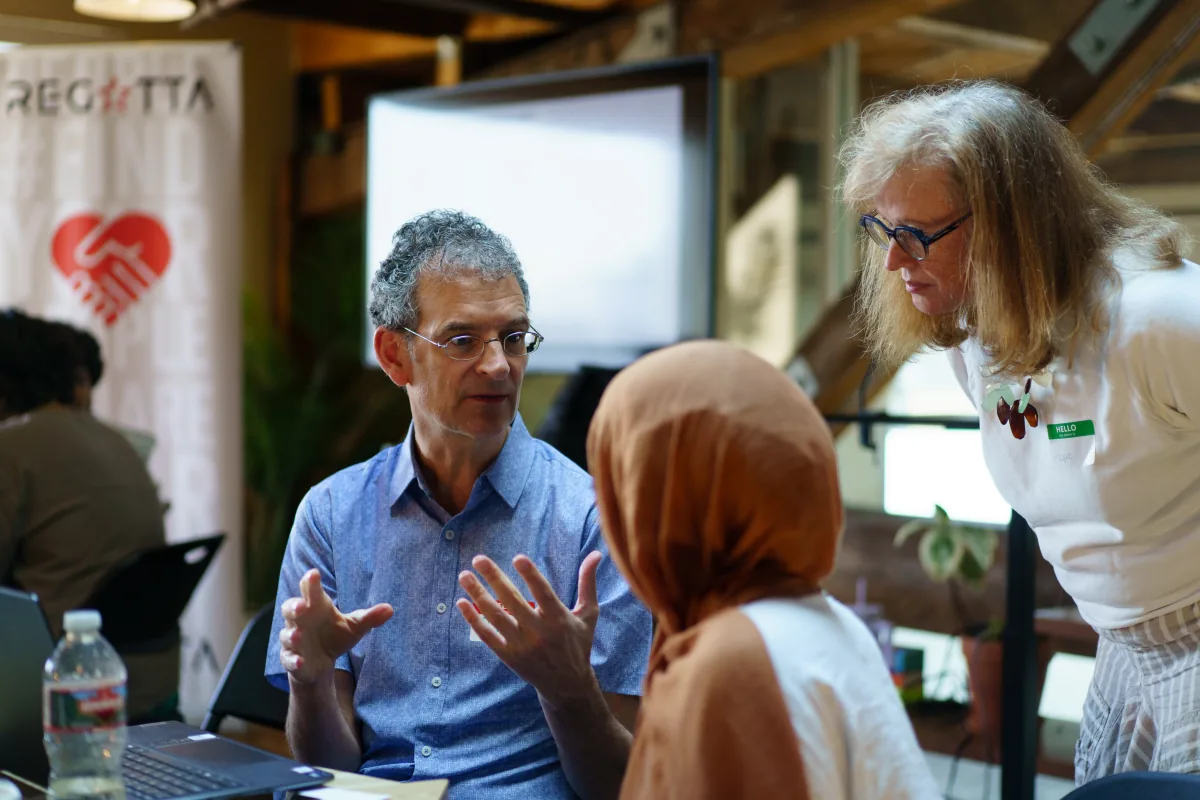
Participants came together for a full-day hackathon to deploy innovative engineering solutions for real-world challenges facing humanity and explore the frontiers of cutting-edge technologies and their positive societal applications.
Date
Location
Audience
In partnership with



Challenges
Five nonprofits brought real problems to Seattle 2026 for teams to tackle over the hackathon.


Boys & Girls Club
Smilow Rainier Vista Club serves nearly 2,300 Rainier Valley kids with after-school programs, sports, and career training — but enrollment has fallen two years running because families don't know the Club exists. Teams design low-cost outreach tools that Club staff (coaches, not marketers) can use to help families find the door.
Hopelink
Hopelink connects Washingtonians to housing, food, and the transportation that makes everything else possible — but most applicants give up halfway through fragmented forms and unclear eligibility. Teams make the path to a ride simple enough that no one abandons it before getting help.

Hope Strategic
Hope Strategic supports caseworkers in high-stakes moments — domestic violence, child protection, recovery — where trust and clarity matter most, and many clients don't speak English fluently. Teams build a secure, real-time multilingual tool so caseworkers stay focused on the human, not the translation.
WA Dept of Fish & Wildlife
Private owners control 80% of Puget Sound's shoreline, and most still default to seawalls that damage the ecosystem as seas rise. Teams create tools that help these owners picture future risk and explore nature-based alternatives — individually or as a beach community.

Electronic Frontier Foundation
EFF's Privacy Badger has spent years scanning the web, producing rich data on who tracks whom online — but it takes SQL to read, so journalists, advocates, and the public never actually see it. Teams turn that data into visualizations, narratives, or tools that make tracking legible to anyone.
Over $17,500 Worth of Prizes

First Place

Second Place

Third Place
Audience Favorite: $500 in cash. Project Grant: collaborate with the nonprofit to complete the project to a deployable state (best faith effort).
Contact
We would love to hear from you, whether you are a nonprofit, a sponsor, press, a participant, or have something else in mind.